What a Former Secret Agent Can Teach You About Confidence, Control, and Respect
 Summary
•
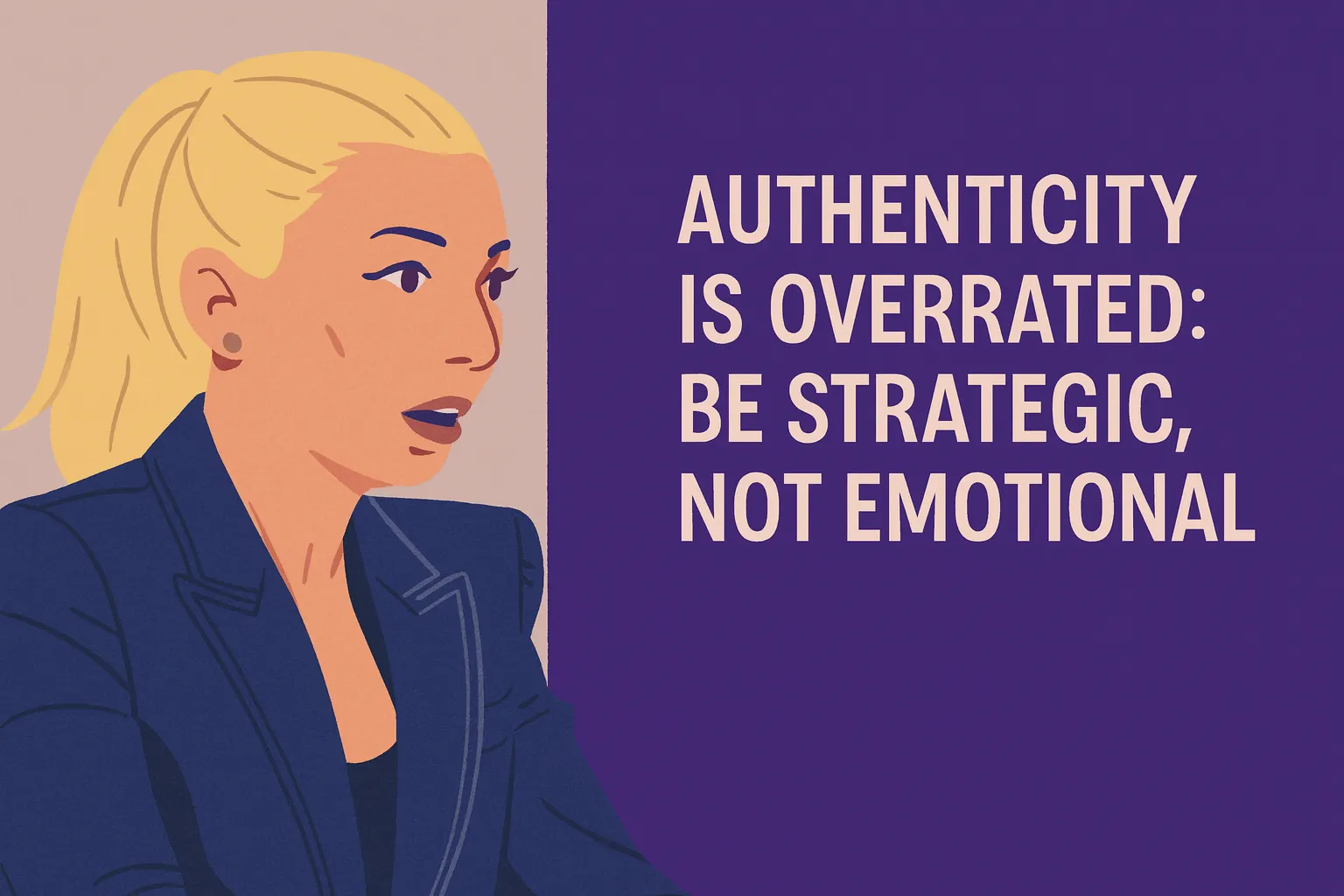
Being “authentic” can secretly sabotage your career.
•
True influence comes from emotional control, not emotional honesty.
•
Bring your professional self, not your personal baggage, to work.
•
Confidence isn’t about talking — it’s about making decisions calmly.
•
Respect is earned through composure, clarity, and contribution.
This post is a detailed summary of the video “Secret Agent: Authenticity Is Quietly Sabotaging You! Do This & They’ll Stop Respecting You!” from The Diary of a CEO featuring Evy Poumpouras. It explores how excessive authenticity can damage your leadership, why emotional regulation matters more than raw honesty, and what habits elite professionals use to command respect without losing empathy. All insights are based on Poumpouras’s experience as a former U.S. Secret Service agent and behavioral expert.
Who Is Evy Poumpouras — and Why You Should Listen
Evy Poumpouras isn’t your average motivational speaker.
She’s a former U.S. Secret Service Special Agent, an NBC Law Enforcement Analyst, and the author of Becoming Bulletproof. She protected Presidents Obama, Bush, and Clinton, interrogated high-risk criminals, and mastered how the world’s most composed people think under pressure.
So when she says “Don’t bring your authentic self to work,” it’s not a call for fakery — it’s a lesson learned from the front lines of life-and-death situations, where losing emotional control could cost lives.
Why “Authenticity” Can Backfire
“Be your authentic self.”
That’s what modern culture tells us — at work, online, in relationships.
But Poumpouras argues that this advice has quietly turned toxic.
Your “authentic self” is often me-centered:
“Me, me, me — how I feel, what I want, what happened to me.”
In a team setting, that mindset kills trust.
When everyone brings their raw emotions and opinions into the workplace, you don’t get creativity — you get chaos.
Leaders aren’t respected for sharing every thought or feeling.
They’re respected for containing them — for making others feel safe, calm, and focused.
In Poumpouras’s words:
“You can bring your authentic self to Thanksgiving.
But at work, I want your professional self — your respectful, empathetic, composed self.”
The Power of Emotional Regulation
Evy learned emotional control from serving alongside Navy SEALs, presidents, and interrogators.
They were trained not to “be real,” but to stay regulated.
She shares a vivid example: interviewing a 16-year-old criminal who assaulted a child.
If she had brought her “authentic” outrage into the room, the confession would have never happened.
Instead, she brought her professional self — calm, rational, focused on truth.
That’s the essence of leadership:
Not reacting. Responding.
Emotional regulation isn’t repression — it’s discipline in service of a goal.
Confidence Is a Side Effect of Action
Surprisingly, Poumpouras says confident people rarely talk about confidence.
They don’t analyze it, label it, or “build it.” They simply act decisively.
“Confident people are decision-makers.
They make the best call they can with the information they have — and move on.”
Former U.S. presidents she protected, like Obama or Bush, had this in common:
•
They delegated smartly.
•
They kept calm under chaos.
•
They maintained personal rituals (study, solitude, and fitness).
That stability wasn’t personality — it was training.
Confidence grows from structure, not emotion.
You Can’t Change People — Only Yourself
One of Poumpouras’s hardest lessons:
“You can’t change people. You can only accept and adapt.”
Most of us exhaust ourselves trying to fix others — coworkers, partners, even friends.
But true power lies in acceptance without agreement.
It’s not weakness; it’s clarity.
Instead of trying to bend others to our will, we should live in truth — see people and situations as they are, not as we wish them to be.
Adapt, or move on. That’s emotional intelligence in its purest form.
The Hidden Skills of Influence
Throughout her career, Poumpouras discovered that how you speak matters more than what you say.
In fact, research shows people remember only about 50% of your words — but they’ll always remember your tone and composure.
Her field-tested communication rules:
•
Use your hands openly → signals honesty and trust.
•
Pause intentionally → silence shows confidence, not insecurity.
•
Speak less, mean more → concise words carry authority.
As she puts it:
“Command your voice. Own your time. You’re not rushing; you’re leading.”
Key Takeaway: Professional, Not Personal
Being “real” isn’t about emotional dumping — it’s about genuine contribution.
Bring your professional self: steady, empathetic, purposeful.
That’s the version of you people can trust, follow, and respect.
Authenticity without awareness becomes self-centeredness.
Professionalism with empathy becomes power.
So next time you’re told to “just be yourself,”
remember what a Secret Service agent would say:
“Don’t be real. Be ready.”