What the world’s greatest mentalist reveals about how we lose trust without even realizing it
✦ Summary
•
A small social mistake can make people feel unsafe around you.
•
The secret to influence is reading people, not “mind reading.”
•
Attention, memory, and trust are built through small details.
•
Confidence grows when you separate rejection from self-worth.
•
True mentalism is about making others feel seen, not fooled.
This post is a detailed summary of the video “Oz Pearlman (Mentalist): This Small Mistake Makes People Dislike You! They Do This, They’re Lying!” from The Diary of a CEO with Steven Bartlett. It explores how subtle psychological cues shape human connection, how attention and memory can be unconsciously influenced, and how understanding behavior — not reading minds — helps you earn trust, confidence, and success in life. All insights are based on Oz Pearlman’s explanations.
 Who Is Oz Pearlman — and Why You Should Listen
Oz Pearlman isn’t just a magician. He’s the world’s leading mentalist — someone who uses psychology, observation, and influence to understand people. A former Wall Street analyst turned performer, he has spent over 30 years studying how humans think, act, and decide. His appearances on America’s Got Talent and stages across the world aren’t about tricks, but about decoding behavior.
What makes him compelling is that his skills aren’t supernatural — they’re learnable habits. His book Read Your Mind distills decades of insights into actionable strategies to read people, build trust, and win influence in any setting.
The Small Mistake That Makes People Dislike You
When people first meet you, they subconsciously ask:
“Is this person focused on me — or on themselves?”
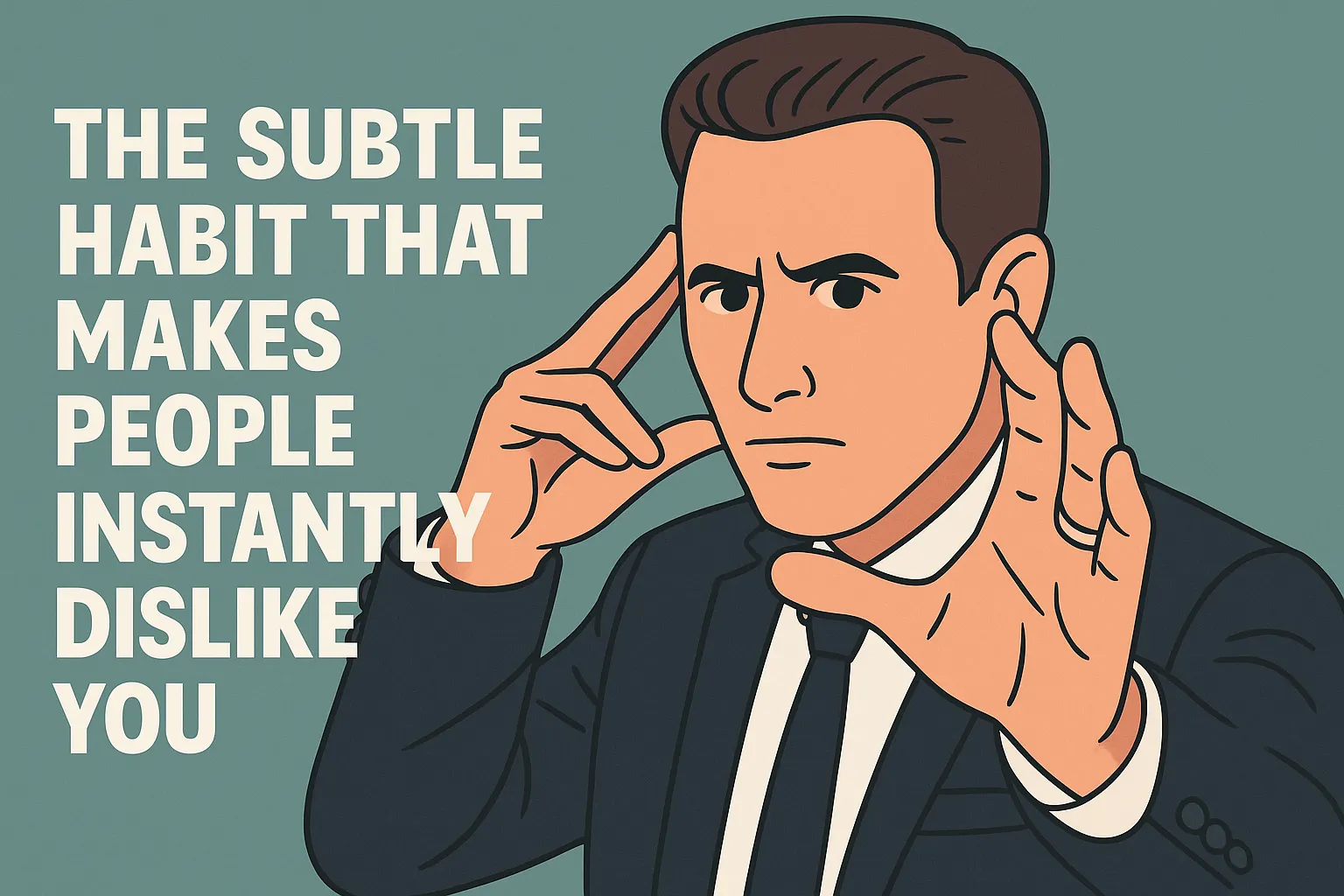
Oz reveals that the small mistake most people make is turning the focus inward. Whether it’s talking too much about yourself, interrupting, or mentally rehearsing what to say next, this self-focus instantly creates emotional distance.
Humans are wired to like those who make them feel seen. Just by shifting your attention — making eye contact, asking genuine questions, and truly listening — you communicate safety and respect.
In Oz’s words, “It’s not about you. It’s about them.”
That shift alone changes how others perceive your confidence, warmth, and credibility.
Reading People, Not Minds
Oz admits he can’t actually read minds — no one can. What he reads are patterns: body language, tone, timing, and micro-reactions. These tiny cues reveal whether someone’s lying, nervous, or engaged.
He explains the concept of “benchmarks.” To detect deception, you first observe how someone behaves when they’re honest. Once you know their natural rhythm — how fast they talk, how they use details — any deviation becomes a red flag.
“You can’t read a stranger in one meeting,” he says. “But if you pay attention over time, you’ll see when their behavior shifts — and that’s where the truth hides.”
This awareness isn’t about manipulation. It’s about understanding people deeply enough to communicate with empathy and precision.
The Science of Attention and Memory
Perhaps the most shocking insight from Oz’s interview is this: our memories are malleable.
He demonstrates how a magician’s control of attention can literally rewrite what people remember.
When your focus shifts — even for a second — your brain “edits” the story. That’s why one audience member can forget that Oz threw a deck of cards, even though they watched him do it seconds earlier.
This is more than stagecraft. In daily life, where you place your focus determines what others remember about you. If you project calm attention, people feel valued. If you’re distracted, they recall discomfort.
Your focus writes the story others will tell about you.
Confidence, Rejection, and the Mentalist’s Trick
When Oz was young, he performed in restaurants — and often got rejected. Instead of taking it personally, he built a psychological wall:
“They’re not rejecting me. They’re rejecting the performer.”
By separating self-worth from outcome, he learned to handle failure without fear. This detachment created unstoppable confidence — the same mindset top athletes and entrepreneurs share.
Try it yourself: imagine that rejection isn’t about you, but about the “version” of you in that moment. It frees you to take more risks, speak up, and experiment without fear of embarrassment.
The Power of Small Details
Oz’s biggest secret isn’t about tricks — it’s about memory.
He takes notes after every meeting, writing down names, stories, and family details. Later, when he recalls those details — a child’s name, a favorite color — people are astonished.
It’s not magic. It’s care.
Remembering small details shows others that they matter — and that’s the most powerful form of influence.
As he says, “People forget what you said, but they never forget how you made them feel.”
What True Mentalism Really Means
Mentalism isn’t about deception — it’s about connection.
The greatest “trick” is making someone feel understood.
When you walk into a room and make others the star of the story — not yourself — you instantly become magnetic. That’s why Oz’s lessons resonate far beyond entertainment: they teach us how to win trust, lead teams, and build real relationships.